
Travel is an all year 'round opportunity for pleasure or business. Either way, it's a great way to see what the rest of the world is like and meet new people!
People often have questions from a medical standpoint about whether they need shots before leaving the country.
Really, the medical and health concerns about travel not only include shots to prevent certain types of infection, but also the treatment or prevention of
foreseeable problems that may arise.
Specific travel recommendations can be found at the
Traveler's Health site at the US Centers for Disease Control (CDC).Also, you can check with the
US Department of State for advise regarding political concerns involving your destinations.
Immunizations
These are also known as "shots", or "jabs" if you're from the U.K., and are administered to prevent you from getting certain bacterial or viral diseases such as tetanus or hepatitis.Shots for unusual infections (such as cholera or yellow fever) can be obtained at county public health departments and specific travel clinics.
Make sure you check for immunizations as entry requirements for other countries. If you have an immunization card or record, check it to see what immunizations you may need and which ones you may have already gotten.
Tetanus is a deadly bacterial infection that can occur from wounds. A tetanus booster within the 5-10 years before travel may be a good idea, especially if you are doing any hiking or trekking or other less usual travel. We can give this at the office.
Hepatitis A is a viral infection of the liver that can be gotten from eating contaminated food or drink. If you have had Hep A before, or had the shots for it you do not need to get shots for travel. Otherwise, getting a shot four weeks before you leave will protect you from getting Hep A for the following 6-12 months. A second shot 6-12 months after the first one is good for life. We can arrange to give you both shots. You probably want to get these shots for travel to any destination where you are instructed to avoid drinking the local water.
Hepatitis B is a viral liver infection that can be a permanent chronic infection. Most people under 30 got shots to prevent it before kindergarten as part of their routine baby shots, and would not need to worry about getting more shots. Hep B is gotten from blood transfusion, drug abuse and as a sexually transmitted disease. Getting immunization before travel would probably only be necessary if you feel you would be at risk to get exposed to it during travel, or you will be abroad for an unusually long time.
Preventive Medications
Prescription medications can be prescribe prior to departure to prevent you from getting malaria or altitude sickness. You can check with the link for CDC to find out whether you need to be concerned about malaria at your destination. Medicine to prevent altitude sickness may be helpful at destinations above 8,000 feet (2,500 meters) elevation.
Bring
DEET based insect repellent!
Treatment Medications
Antibiotics (such as Bactrim or Cipro) to take in case you get diarrhea while travelling can be prescribed.
Sleeping pills (such as Ambien) for "jet-lag" can be helpful, and can be prescribed before you leave.
Prevention Overall
Staying out of trouble is better than dealing with trouble, so a few pointers:
- Take a supply of any regular medications with you.
- Bring commonly used items as well, such as band-aids, Motrin (for pain), eye drops (for eye irritation), Neosporin (topical antibiotic), Imodium/AD (for diarrhea), Lamasil/AT (topical for fungus), Benadryl (for allergy and also nausea or vomiting), meclizine (for sea-sickness) and so forth.
- Bring medicines in original containers or pill bottles, to avoid problems at customs.
- Don't forget spare glasses, sun glasses, micronized zinc-containing sunscreen, and mosquito repellent.
- Avoid tattoos, piercing, acupuncture, sharing razors, and casual relations while abroad.
- A flashlight is very handy.
Bottom Line
See me about 4 weeks before you are leaving the States to discuss any concerns or questions you may have, and to get any presciptions that will help you, and to receive shots that you need.On a personal note:
Here are links to some helpful travel-related websites that I have found useful in my own travels.
TripAdvisor is a great website for general information, reviews and pictures.
Igo Ugo is good, too.
This is a foreign exchange
currency calculator. Also, here is a handy
conversion calculator since only the US and UK
don't use the metric system.
The National Weather Service website can link you to current weather conditions at any airport in the world.
The
Transportation Security Administration regulates what you can bring on a plane. On the other hand,
major airlines may also have their own regulations.
Bon Voyage!
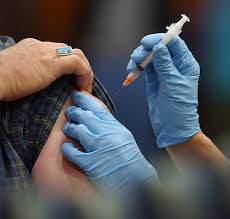 I understand through an email update from the California Medical Association, that vaccine for the novel H1N1 flu ("swine flu") is to be available along with the standard seasonal Autumn flu shots.


